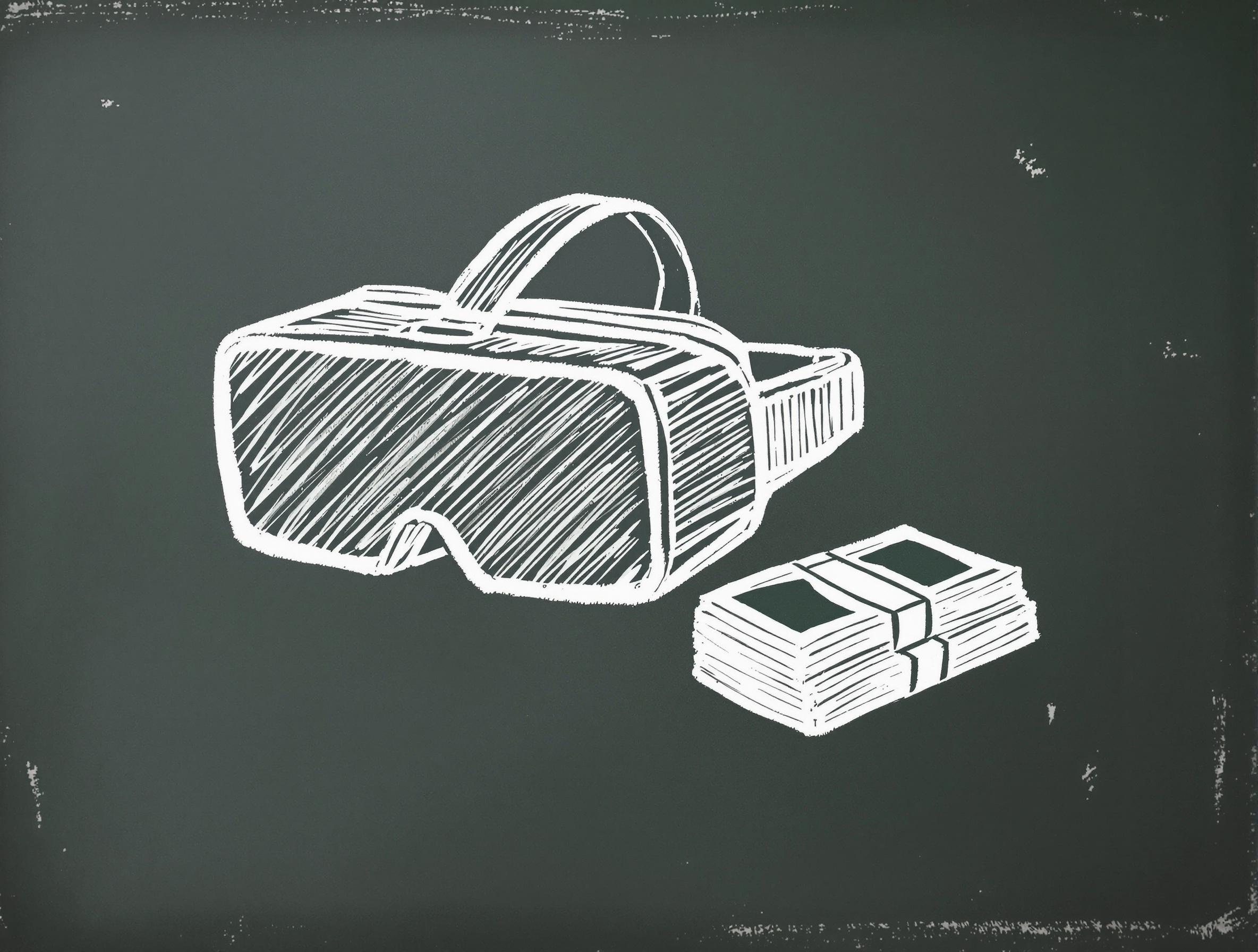
If you’ve ever explored the possibilities of Virtual Reality (VR) for professional use – especially VR training – you’ve probably come across claims that it can help cut costs. But is that really true, and if so, just how much can you actually save?
As with so many questions in life, the answer is: It depends. The more complex the training objective, the higher the initial investment. And the more complex the traditional training it replaces, the greater the savings.
One thing is certain, though: Organizations that commit to VR training in the long term will save more in the long run. A study published in Computer Informatics Nursing concludes that while the upfront costs of VR are high, they are more than offset over time by the savings from reducing traditional training.
So How Exactly Does VR Training Cut Costs?
The key factors behind the cost savings are:
- VR training spreads initial costs across more participants. Once you’ve invested in a system, you can run the same training sessions as often as you like. Live training, on the other hand, requires you to organize and execute each session from scratch – even if the content is similar. Each session is a separate event with a limited number of participants.
- VR hardware and software involve mostly one-time costs. Traditional courses, however, require the same investments in personnel, facilities, equipment, and consumables every single time they’re held.
- VR enables location-independent training. This eliminates travel, accommodation, and catering costs for participants.
- Building on that: VR minimizes downtime costs, as no physical spaces need to be reserved that would otherwise be unavailable for business operations during training.
- Lastly, VR training has been proven to be more efficient than conventional methods. This means you can reduce the frequency of training sessions while maintaining – or even improving – learning outcomes.
Cost Savings Through VR Training: A Practical Example
In the cited study, the use case was an evacuation drill for a hospital’s neonatal intensive care unit. The cost per participant for live training was $229.79 – and remained constant.
For VR training, the initial cost per participant was $327.78, which is significantly higher at first. However, over a three-year period, this per-participant cost dropped to just $115.43. That’s a reduction of nearly 50%.
Factor in the avoided travel costs – estimated at $100 per participant for live training – and the savings climb to nearly 65%.
In summary: While the exact savings from VR training will depend on your specific use case, the study clearly demonstrates the scale of potential cost reductions for businesses and organizations.