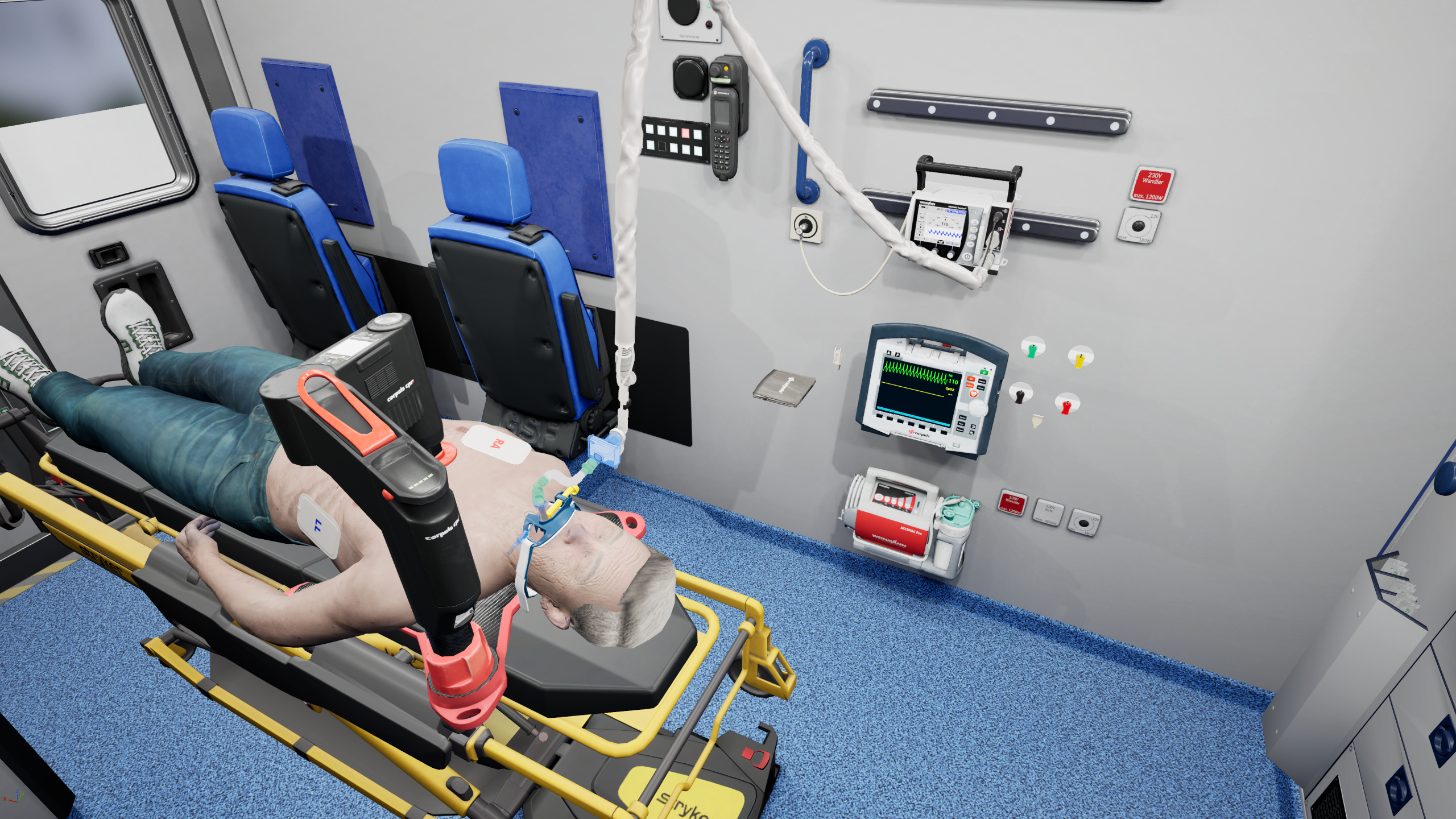
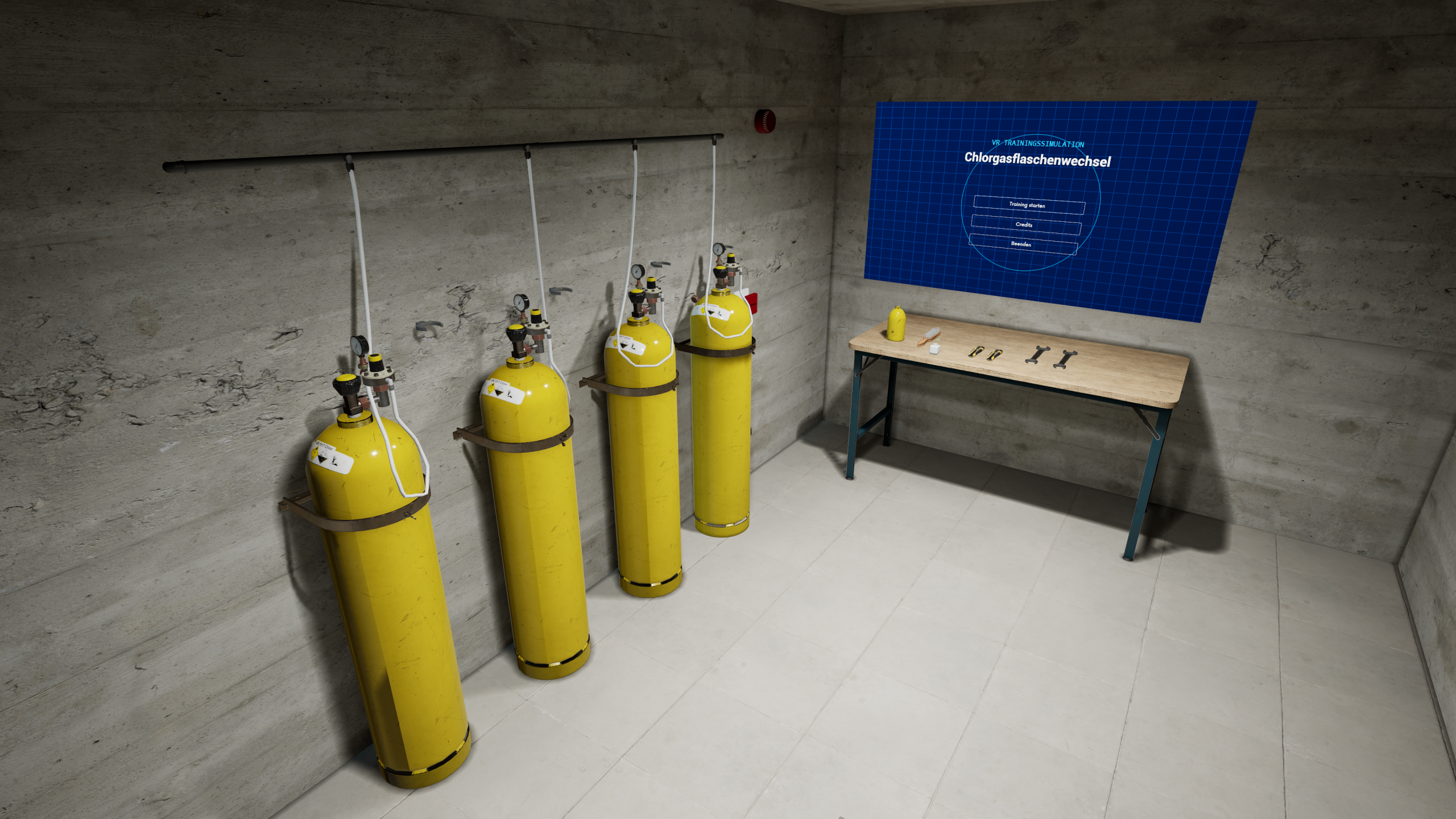
In a world where technology is constantly advancing, the introduction of virtual reality in education has the potential to revolutionize learning and training processes. VR, once a niche innovation, is increasingly being used in various professional fields, from medicine to engineering. But what specific benefits does VR offer for training in companies and organizations?
Immersive Learning Experience
One of the biggest advantages of VR is the ability to create an immersive learning experience. Instead of learning in traditional classrooms or static online courses, trainees can immerse themselves in an interactive 3D world. This immersion not only promotes engagement but also improves understanding and internalization as trainees learn through hands-on experience rather than relying on theoretical explanations. This increases learning speed and focus up to fourfold and significantly increases confidence in applying what has been learned and the emotional connection to the subject matter.
Safe Environment for Practical Training
VR provides a safe environment in which employees can practice complex or dangerous tasks without taking real risks. This is particularly valuable in industries such as medicine, aviation, or construction where mistakes can have serious consequences. In a virtual environment, learners can practice as many times as necessary until they have developed a deep understanding and confidence in their skills.
Cost and Time Efficiency
The introduction of VR can lead to significant cost savings in the long term. Instead of using expensive physical simulators or sending employees to remote locations for training sessions, VR enables high-quality training on-site. In addition, VR training modules can be easily updated and adapted to the changing needs of an organization or industry making it a flexible and future-proof investment.
Personalized Learning Experiences
VR enables personalization of the learning experience that is difficult to achieve in traditional training environments. Programs can be adapted to individual progress and needs of all employees enabling more efficient and effective training. This individualization helps ensure that all learners achieve the best possible results regardless of their starting level or learning style.
Global Collaboration
In a globally connected world, VR enables teams to collaborate across geographical boundaries. Employees from different parts of the world can collaborate and learn in a shared virtual environment fostering exchange knowledge cultures leading more innovative solutions.
VR is The Future Of Training
The use of VR in education offers a variety of benefits that complement and, in many cases, surpass traditional learning methods. From immersive learning experiences to safe training environments and limitless collaboration, VR will fundamentally change the way we learn and educate ourselves.
Further Links
In-depth PwC study on the benefits of VR-based training and continuing education: How virtual reality is redefining soft skills training: PwC